The Rise of Colon Cancer: What's Changing in Belgium, The Netherlands, Germany, France - and South Africa - and How Tech Can Help

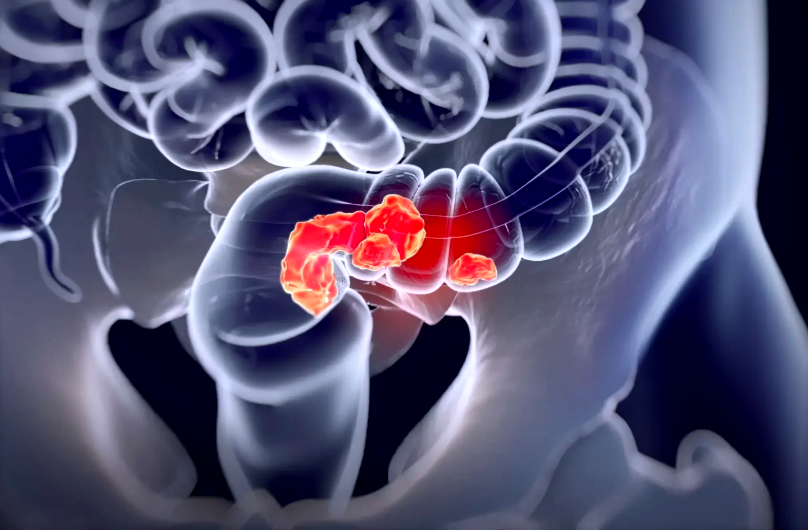
Colorectal cancer is one of the most preventable major cancers. Yet a troubling paradox has emerged, even as screening has driven down cases and deaths in older adults, diagnoses are climbing in people under 50. What used to be a disease of grandparents is showing up in thirty- and forty-somethings, often after months of vague symptoms dismissed as "stress" or "diet." Multiple international analyses now confirm the trend that early-onset colorectal cancer (eoCRC) is rising across dozens of countries, including much of Europe.
This isn’t a niche blip. It’s a shift with real consequences for families, workplaces, and health systems, especially because colorectal cancer can be silent until it isn’t. The good news though is that we know how to prevent many of these cancers, we can catch them early, and today’s treatments are more precise than ever. The challenge is recognizing what’s changing and acting sooner.
What follows is a quick, country-by-country snapshot of how the trend looks in five places namely, Belgium, the Netherlands, Germany, France, and South Africa, followed by the likely drivers, the symptoms that should prompt action, the current standard of care, and the new technologies (from smarter scopes to emerging blood-based tests) reshaping prevention and treatment. Most important, you’ll come away with clear steps you and your loved ones can take now.
Across Europe, decades of organized screening have paid dividends, tempering overall colorectal cancer incidence and mortality among older adults yet the age curve is bending in a worrying direction. Belgium’s program built around mailed fecal immunochemical tests (FIT) for people 50–74 and launched in Flanders in 2013, illustrates the promise as analyses of the first six years associate high uptake with fewer new cases and fewer deaths. The Netherlands follows a similarly systematic model, inviting adults 55–75 to complete a FIT every two years and routing positives to colonoscopy; since its 2014 start, tight central monitoring has helped keep quality high and access equitable. Germany layers options: annual FIT from ages 50–54, then every two years from 55 onward, alongside the choice of screening colonoscopy (from age 50 for men and 55 for women). Program rules were updated in 2025 to reflect evolving evidence and improve participation. France, for its part, has run a national biennial FIT program for women and men 50–74 since 2008–09. Taken together, these efforts have curbed disease in older age groups but across 2024–25 reports and research, a clear signal emerges that early-onset colorectal cancer is rising, pulling more people under 50 into the diagnostic pipeline.
South Africa faces a different but increasingly urgent set of realities. Colorectal cancer ranks among the country’s top cancers, with incidence trending upward and hereditary syndromes appearing relatively more common than in many high-income settings. While there isn’t yet a single nationwide, organized screening program, local expert bodies are converging on practical guidance to begin routine screening at 45 for average-risk adults, use annual FIT as a first step, and deploy colonoscopy at defined intervals for positive tests. In a health system with diverse resource constraints, these risk-stratified, stepwise pathways are gaining traction because they’re scalable and save lives.
Why the surge in younger adults? No single culprit explains early-onset disease. The strongest evidence points to a mix of lifestyle and environmental pressures that accumulate from childhood onward. Diets high in processed and red meats and alcohol, combined with obesity and physical inactivity, raise risk, whereas higher fiber intake, regular activity, and maintaining a healthy weight lower it. (Notably, processed meat is classified as carcinogenic for colorectal cancer and red meat as “probably carcinogenic.”) Beyond behaviour, science is zeroing in on the microbiome and early-life exposures in some tumors, researchers are finding mutational fingerprints consistent with toxins such as colibactin produced by certain strains of E. coli.
Genetics and chronic inflammation round out the picture as Lynch syndrome and familial adenomatous polyposis (FAP) bring markedly elevated lifetime risks, and long-standing ulcerative colitis or Crohn’s colitis also increases risk, underscoring the need for earlier and more frequent surveillance in these groups.
Amid shifting risk, symptom awareness is a powerful equalizer. Don’t ignore blood in or on the stool; a sustained change in bowel habits (looser, more frequent stools or persistent constipation); unexplained weight loss, persistent fatigue, or iron-deficiency anemia; or abdominal pain, bloating, and the sensation of incomplete emptying. None of these signs automatically means cancer common conditions can look similar but persistence is the red flag. Acting promptly with a clinician’s assessment can turn a late diagnosis into an early, curable one.
Screening remains the frontline of prevention and early detection. FIT (also called iFOBT) is simple, at-home, and evidence-backed, a positive test triggers colonoscopy, which can both find cancer and remove precancerous polyps during the same procedure. Where participation is high as seen in Belgium, the Netherlands, Germany, and France population-level benefits follow. Colonoscopy also functions as a primary screening test in some systems (notably Germany), with intervals tailored to what’s found. In South Africa, absent a single national program, clinicians increasingly apply risk-based pathways that start at 45 for average-risk adults, using annual FIT and judicious colonoscopy an approach well-suited to variable capacity.
One operational lesson stands out across health systems: make screening easy and follow-up seamless. Programs that mail FIT kits annually, minimize friction for returning samples, and fast-track colonoscopy after a positive result consistently drive higher participation and with it, substantial reductions in incidence and deaths. Adapting that playbook to local realities is both feasible and urgent as the age pattern of disease continues to shift.
How Colorectal Cancer Is Treated Today
Colorectal cancer management has evolved dramatically over the past decade, combining precision, minimally invasive surgery, and biomarker-driven therapy. Treatment is individualized, guided by the tumour’s stage, location, and molecular profile to balance cure, organ preservation, and quality of life.
Surgery remains the cornerstone for early-stage disease. Increasingly, these operations are performed laparoscopically or robotically, minimizing hospital stays and complications while integrating Enhanced Recovery After Surgery (ERAS) protocols that help patients mobilize and eat sooner. For most stage I and many stage II cancers, surgery alone can be curative.
Adjuvant chemotherapy is recommended to lower recurrence risk in stage III and select higher- risk stage II cases. Common regimens include CAPOX (capecitabine + oxaliplatin) and FOLFOX (fluorouracil + leucovorin + oxaliplatin). Evidence published in Annals of Oncology and other major journals supports shorter, three-month courses of CAPOX for many lower-risk patients, reducing toxicity without compromising outcomes, while higher-risk or FOLFOX-treated patients may still benefit from six months of therapy.
For metastatic disease, treatment strategies now hinge on molecular profiling. Comprehensive testing for biomarkers such as RAS, BRAF, HER2, MSI-H/dMMR, and NTRK is now standard of care, as endorsed by ESMO and NCCN guidelines. Depending on the molecular signature, combinations of chemotherapy with targeted agents such as anti-EGFR or anti-VEGF antibodies can yield significant survival gains.
Immunotherapy has transformed treatment for a subset of patients whose tumours are microsatellite-instability-high (MSI-H) or mismatch-repair-deficient (dMMR). Pembrolizumab is a first-line option, producing durable responses and long remissions for many. In April 2025, the U.S. approved the combination of nivolumab + ipilimumab as another first-line regimen in this population, further expanding the immunotherapy toolkit.
Rectal cancer management has also been redefined. Advanced MRI staging enables precise treatment planning, while total neoadjuvant therapy (TNT) giving all chemotherapy and radiation before surgery, improves control and can even eliminate visible disease. For patients who achieve a complete clinical response, carefully monitored “watch-and-wait” protocols allow them to avoid surgery altogether, preserving bowel function and quality of life without compromising survival outcomes.
Technologies Transforming Prevention and Care
- Artificial Intelligence (AI) During Colonoscopy
Artificial intelligence is entering endoscopy suits worldwide. Computer-aided detection (CADe) systems can highlight subtle lesions in real time, improving adenoma detection rates and reducing missed polyps in trials and meta-analyses. It is worth noting that overreliance on AI, risk deskilling if clinicians disengage from active detection. The consensus is clear, AI should augment, not replace, expert judgment, supported by strong training and quality oversight. - Liquid Biopsy and ctDNA for “Molecular Residual Disease”
Circulating tumour DNA (ctDNA) testing represents a leap forward in personalized follow-up. Detecting tumour-derived fragments in the bloodstream after surgery can flag microscopic residual disease long before scans do. Landmark trials like DYNAMIC and large cohorts such as GALAXY show ctDNA’s potential to tailor adjuvant therapy escalating treatment in high-risk patients and sparing low-risk one’s unnecessary chemotherapy. Major oncology guidelines now recognize ctDNA’s prognostic power, with evidence for clinical utility maturing rapidly. - Precision Oncology
Routine molecular testing covering RAS, BRAF, MSI/MMR, HER2, and occasionally NTRK is now the backbone of advanced colorectal cancer management. These biomarkers open targeted avenues such as monoclonal antibodies for RAS-wild-type disease, BRAF inhibitors for mutant cases, HER2-directed therapies for amplified tumours, and immunotherapy for MSI-H/dMMR cancers. As testing becomes faster and cheaper, treatment decisions increasingly pivot on the tumour’s genetic fingerprint rather than its anatomic site alone. - Digital Health and Remote Monitoring
Digital tools are quietly reshaping cancer care delivery. Simple electronic patient-reported outcome (e-PRO) systems where patients log symptoms during treatment have been shown to improve quality of life and, in some studies, extend survival in advanced disease by catching complications early. Similarly, telehealth consultations and digital reminders are raising screening uptake, particularly in rural or resource-limited settings. - Imaging and Organ Preservation
High-resolution MRI now guides not only rectal cancer staging but also organ-preserving strategies. For those responding completely to neoadjuvant therapy, “watch-and-wait” programs, under stringent surveillance, can spare patients from major surgery without increasing recurrence risk. This tailored, imaging-driven approach is emblematic of modern colorectal cancer care precision treatment for better survival and better living.
What You Can Do — Wherever You Live
While research and technology continue to advance, the most powerful tools for preventing and detecting colorectal cancer remain in your hands. Awareness, action, and consistent follow-through can dramatically reduce your risk—no matter where you live.
- Know your screening programme (and take part).
In much of Europe, colorectal cancer screening is well established, and participation saves lives.
- Belgium: If you're aged 50-74, you'll be invited to complete a simple at-home stool test (FIT). Take it up as soon as you receive your kit.
- Netherlands: Adults aged 55-75 are invited every two years for a FIT; positive results lead to a follow-up colonoscopy.
- Germany: Starting at 50, men and women can opt for an annual iFOBT (FIT) or a colonoscopy—offered from 50 for men and from 55 for women.
- France: Both men and women aged 50-74 are invited for a FIT every two years.
If you fall within these age bands, respond to your screening invitation immediately or speak to your doctor if you haven’t received one. Even a single round of screening can detect early, treatable disease or prevent it entirely by removing precancerous polyps.
In South Africa, colorectal cancer awareness and screening are gaining ground. There’s no nationwide programme yet, but leading clinical bodies now recommend starting screening at age 45 for those at average risk, and even earlier for anyone with a family history, inflammatory bowel disease (IBD), or known genetic syndromes such as Lynch syndrome or familial adenomatous polyposis. Ask your clinician or visit gastrofoundation.co.za for current guidance on local screening options.
2.Act promptly on symptoms, don’t “wait and see.”
Early-stage colorectal cancer often causes few symptoms, but when something feels wrong, acting fast makes all the difference. Persistent blood in or on the stool, ongoing changes in bowel habits, unexplained fatigue, or abdominal discomfort are never symptoms to ignore. Seek medical assessment early rather than adopting a wait-and-see approach.
3.Mind the modifiables.
While you can’t change your genes, you can meaningfully reduce your risk through daily habits. Maintain a healthy weight, stay physically active, limit alcohol, and minimize consumption of processed and red meats, both linked to higher colorectal cancer risk. Prioritize fibre-rich foods like fruits, vegetables, and whole grains, which support healthy digestion and lower inflammation. Even modest, sustained changes in these areas can cut lifetime risk.
4.If diagnosed, ask the right questions.
If you or a loved one is diagnosed with colorectal cancer, ask your care team about biomarker testing including RAS, BRAF, MSI/MMR, and HER2 as these results increasingly shape treatment decisions and access to targeted or immunotherapy options. Inquire, too, about clinical trials exploring next-generation approaches such as ctDNA-guided therapy or AI-assisted endoscopy; these innovations may be available in your treatment centre or through referral networks.
No matter what your address is, being proactive about screening, symptoms, and healthy living places you squarely on the side of prevention. The earlier colorectal cancer is detected or prevented, the higher the odds of cure and the better the quality of life after treatment.